
Crown of Returns and the Nameless Key
Sára has until evening to find a name for the last key left on the pine after the flood. Her decision will shape who is remembered when the new hilltop cabin opens. People from several houses recognise the two pits on the key. And her father’s drawer holds a piece of wood marked with a single word.
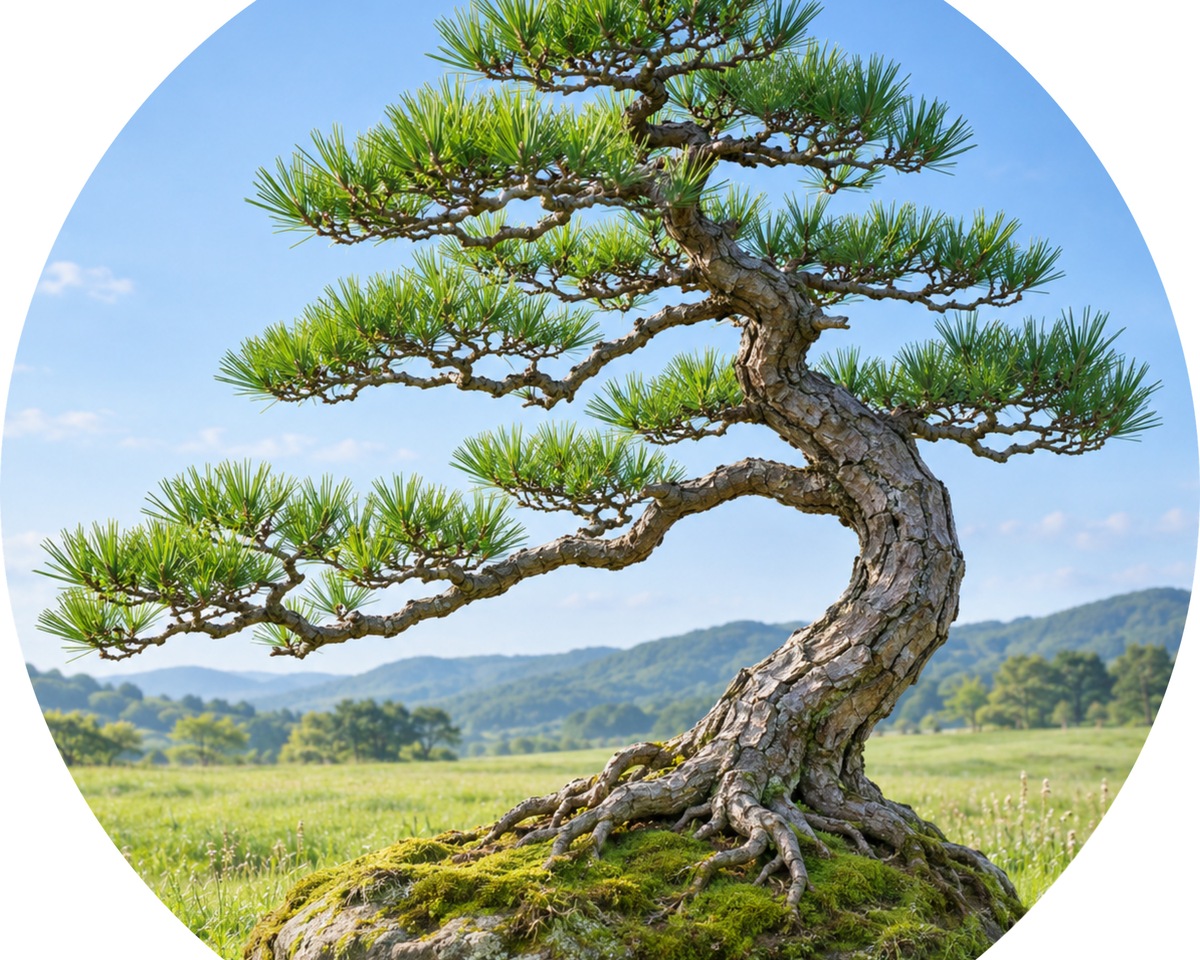
The first key on top of the hill fitted no door. The flood had taken the doors of the village below fourteen years earlier, along with the steps, the thresholds and most of the walls. Sára's father had found the key in the pocket of a skirt hung on a makeshift washing line. It was much too big for their lock. There were two pits in its bow. He had dried it, threaded it on a blue cord and hung it from a low branch of the pine. ‘If anyone comes for it, show them you kept it to hand.’
Everyone who came up the hill thought they would go straight back down when the water fell. Under the tree they changed wet boots, warmed pots on the stones and left messages for each other. Once they realised the river had shifted its course, they built houses over the saddle. Some moved further away. Sára's father put the cords that stayed on the pine into a tin with the keys, one by one. She had inherited it, the old house numbers, and a writing desk too high to rest her elbows on comfortably.
In the spring the council wrote to her. She was to check who had a right to use the new cabin beneath the pine. It was due to open for summer for everyone who had helped on the hill during the flood. The council had drawn on an old fund to repair the houses below. The roof and windows were finished and the lock was in. At the opening they planned to put names from the key register on two benches.
Only one key in the register had not been accounted for. Two pits in the bow. No number and no name. A blue cord. Her father had drawn it in the margin, away from the others. The council wanted her to find its owner, or mark the claim as lapsed. If she wanted to change a name that had already been laid out on a plaque, she had until that evening to make her case.
A narrow gust crossed the meadow. The pine leaned down towards the valley as it always had. A patch on its lowest branch was bare. Sára pressed the middle tray down to close the drawer where she kept the keys. The third time she tried, she heard a hollow knock. Under the tray was a thin piece of spruce with a blue loop. A knot in the loop fit neatly into one pit in the key. One word was burned into the wood: ‘HAND OVER’. The other side was blank.
She went to Dano first. When he was eight he had carried warm water between the tents and tripped over a line, cutting his nose. She found him whitewashing the cabin beneath the pine. A tile was missing from the right edge of the window. He had put a thin book there to keep the gap clear of dust before the opening.
The house with two pits was in the middle of the village, he thought. The family put two marks on things so a poor-sighted aunt could tell them apart. They lived by the upper stop. His mother once quarrelled with them about borrowing a pot for a feast. Sára checked her plans. There were two wooden houses by the stop, but both had been occupied into the autumn after the flood. No one there had needed to leave a key on the hill.
‘They might just have lost it,’ said Dano. ‘Fourteen years is a long time.’
‘Could they have left it for someone who was going to live there?’
He tapped the missing tile. He had planed the chairs that week and had two decent pieces of limewood for plaques. If he tried to tell his father the whole valley had built the bench, he wouldn't believe it even with all the names. If he put only the people from below, someone would be sure to come up and argue over a pot.
Dano sent Sára to Vera, who knew every handle in three villages. There was a smell of drying mushrooms on the way. At the second bend, Vera had five full trays on her table and an old school map on a sixth. She held the key, but the knot slipped out. The council store below the wall had had the same marks on its lock. It wasn't unusual for a family to use the same ones. One set of awls made all of them.
Sára asked what the store was for. Vera turned the map over. A winter storage agreement was pencilled on the back. Every household had a shelf, and people who had space took apples for those who didn't. Several names overlapped. Sára admitted she had only a few hours.
‘If I give you a name it stays on the bench for good. Go and see what's left of the store. If you find a whole tile with an eye under the stove, that one is mine. I'd take it home.’
Down in the valley the new road ran in sand a little way from the old wall. Stones were its only markers. Sára found half a tile and a wooden threshold pressed to the wall. Its outer edge was two fingernails wide. It might have been from a stove or from the back of the embankment. She tried the key in a shallow slot between two iron studs. It caught only at the edge. If she had pushed hard, it would have chipped against the stone.
Someone had set a tall new candle on the next threshold. She sat a little way off, out of the way in case they returned. From down here, the lowest branch of the pine swung through an arc against the sky. Both roads had a view of the bare patch. When she shaded her eyes, she could see a strip under the branch almost as wide as the old mossy rock.
People could see notes on the tent line when they came back with their hands full. The pine was taller and was still there when they took the canvas down. Sára remembered her father taking at least three notes off the tree in the dark. He had been carrying things from one place to another long after people started building. The houses all faced different ways. He said that was the point of hanging messages on something that had nothing to do with a house.
On the way back she went round the bend where the water sometimes cut across the road. There was a paper fish on the gravel, perhaps made from a blank line on an order form. It was wet underneath. Half of the word ‘return’ was still visible on its back. She went home to look at two columns in her father's book, who and when. Somewhere there might be an entry that also made sense as an instruction for whoever came next.
Dano found her at the lowest branch. He lent her a ladder and tested it with a bare foot. He left a tile, the book, a paperweight and half an apple on the bench. Sára held out the key. From the village the pine looked as if it pointed at the cabin, she said. But the cabin wasn't there then. Where had he first carried water?
‘The rock by the tent line. People opened things there.’ There was a case for flour and a box of bandages. One man had held up a board with two fingers to show Dano where the clean bucket was.
Up close they could see a fold like a sleeve in the bark and a dark hole left by a hook. There were three more holes below, evenly spaced, on the side out of the wind. Dano tried the spruce board against them. Its edge fitted between the knots. It had never been a label for one key. It had held hooks for different bundles. Someone had tied the loop to the key to keep the board with it while they cleared up. When he set it the right way on the branch they could read it from the saddle, where people came offering help.
‘What if the first person came to fetch something for the second?’ Sára pictured someone taking bandages for another person below. The key wasn't there to show who had owned a house. It was there to hand something over.
Under dry grass by the trunk, Dano found a brass fitting from a portable crate with two pits on its edge. There was a little blurred mark on the brass like wet ink. The village store had supplied crates like it. They showed it to Vera. She found a list of supplies distributed on the hill. It said ‘store: two doors, one key by the water’. The other key had probably gone with whoever went back for more supplies each morning. There was no name by the key in Sára's book because a different person carried it every day.
When the council arrived that evening there was space for each plaque on the table. Mila had a small file to finish the edges. Sára opened the register at the last key and set out the record from the store, the board and the key itself. She said what they knew and what she could only partly confirm. Two families and the council all had grounds to claim it. Putting it in any one row would leave out the people who had kept the store running.
Mila measured the bare wood with her finger. ‘People already know what will be on the bench. The families who came back kept going even when they couldn't manage breakfast. What if I tell them there's no room for a single name?’
‘There is room for names,’ said Sára. ‘Put a book beside them. If someone comes up with a memory, they can write it down. Or tell us and we'll write it together. A man who lent a horse and moved away never had a house key in that list.’
Mila picked up the board. There was a tiny circle beside the oldest notch that none of them had spotted before. Her husband had worked at the store on a single day, she said. She had been there with him. There were only two places where you could cross with the water at the same height. The survey listed them both as ‘absent’ that day. Their house was across the water and the official hadn't thought of looking for them on the other side.
Mila read all the plaques. Dano scraped away a letter that would have snapped the first time anyone sat down. They made space for people whose names they still did not know. Mila wrote the first entry in the book, slowly, with the shadow of the chair falling across the word ‘store’. Nobody had to lay claim to the unmarked key. Sára left it beside the book with a note saying where it had been found and what they thought it had opened.
On opening day a man came whom Sára remembered with a horse. The horse had been Jas and the man was called Havel. He only told her what he had done once he sat by the window. He wanted to see the place where the slope broke below. The horses had spent two nights in a tent behind the pine. On the third, people slept beside them because the horses were kicking less.
Vera read aloud what Havel had written about watching over the apples. He added that the sacks mostly held potatoes. Vera laughed and asked Sára for a longer line. Dano fitted a latch that could be opened from inside. Anyone needing a bed for the night could take the new key from the station and return it on their way over the saddle. The log would have a column for the date, like the one Sára kept at home.
Late in the day she went up to the pine. A piece of rope lay on the smooth stone below the branch where the first key had hung. She could see right across the slope. She adjusted the board so that someone coming into the wind could read it with their head lowered. She left the old key on the table by the book, within a visitor's reach. If they touched it, they would feel both pits under their thumb. And if they went out to the pine, they could think of who needed a door opened for them on that night.
A related story from Laryvion →
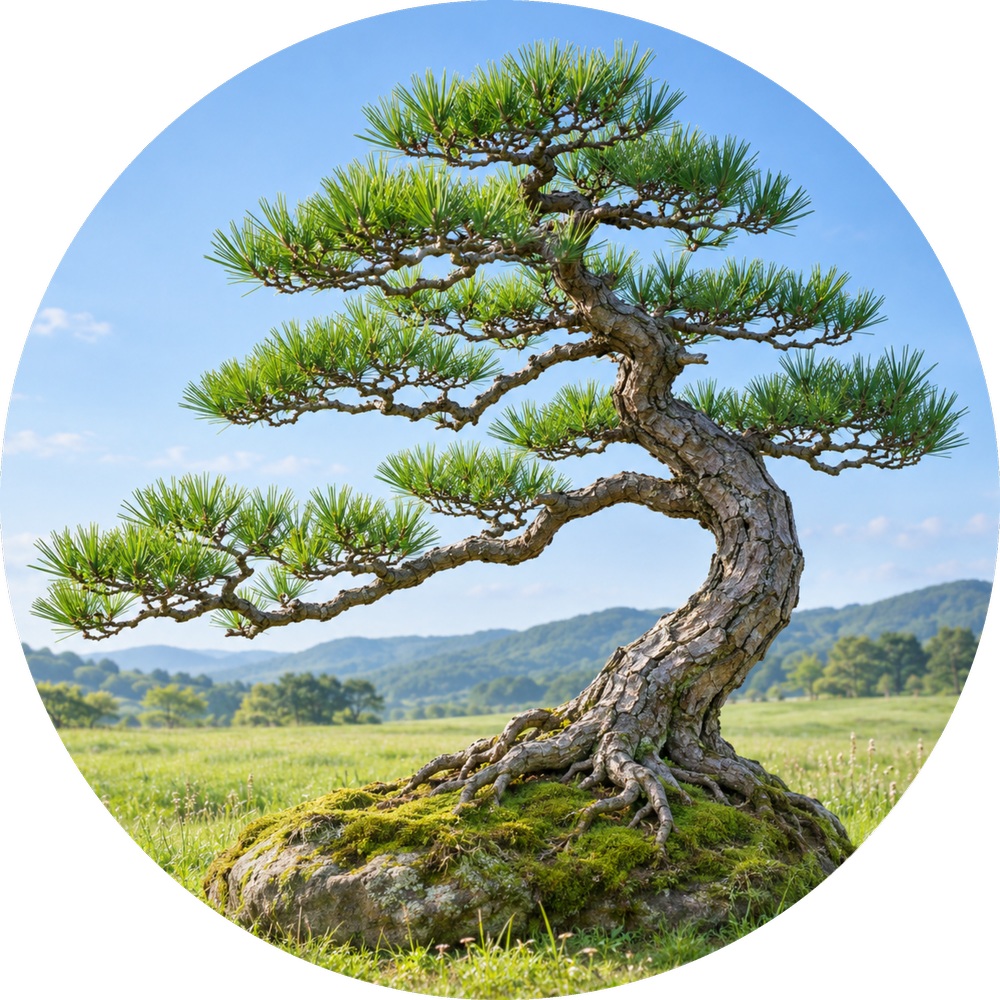
Assemble the puzzle Crown of Returns - SkillSpiral (266 pieces) - Wooden Puzzle →


